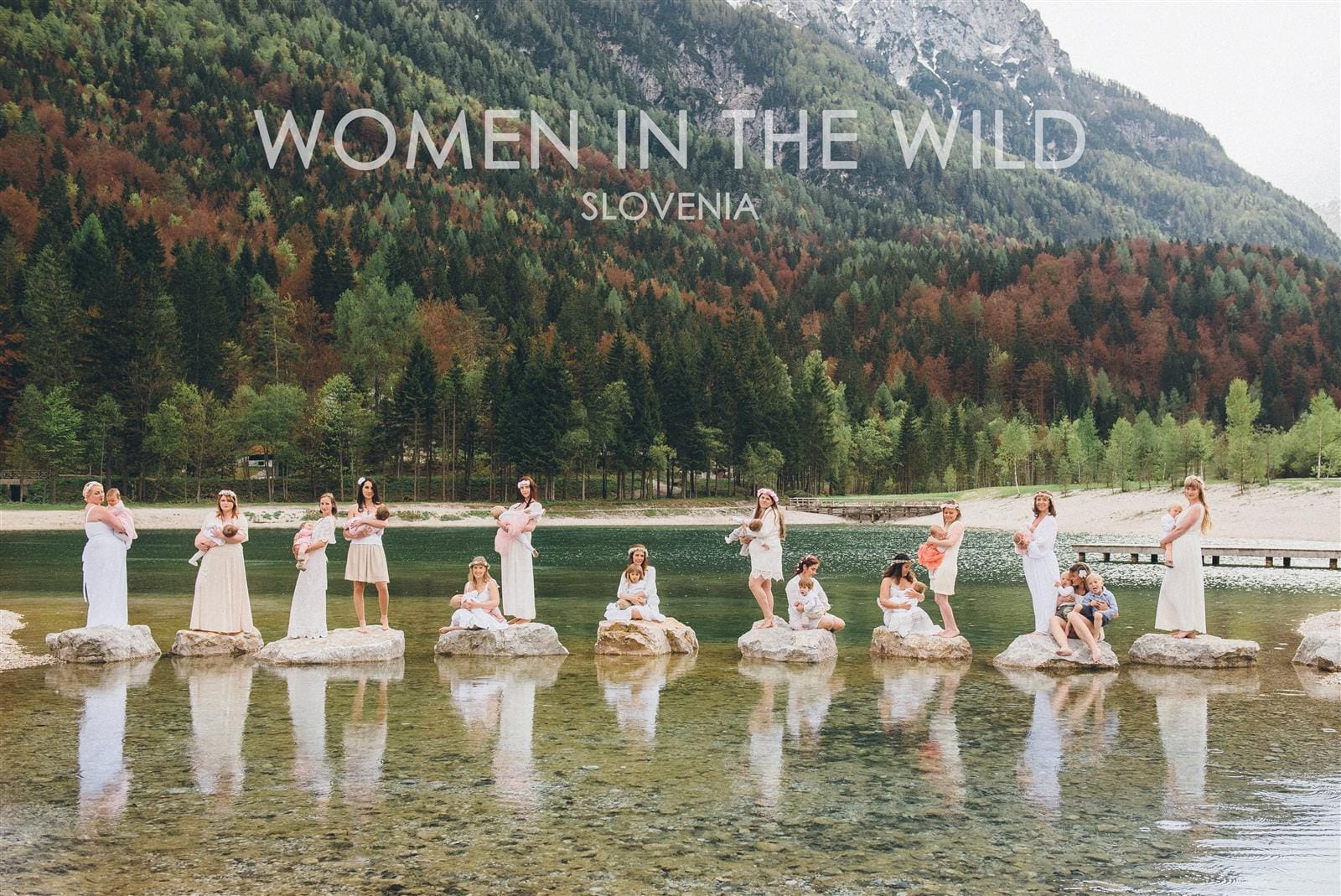
The slogan for this year’s World Breastfeeding Week is “World Breastfeeding Week 2016: Breastfeeding is a Key to Sustainable Development“. As stated by the NIJZ:
“This year’s focus is on reflecting on the importance of breastfeeding for sustainable development. At the National Institute of Public Health (NIJZ), we already pointed out during World Breastfeeding Week 2014 that while focusing on breast milk as a precious resource for the child’s well-being, it is also important to highlight breastfeeding from the perspective of the planet’s well-being.”
In their contribution to this year’s World Breastfeeding Week, they continue:
“Numerous modern scientific findings speak about the importance of breastfeeding for the health of both child and mother, but the significance of breastfeeding extends beyond individual health benefits. If we talk about environmental justice—about humanity using resources available to all living beings moderately, efficiently, and sensibly—it holds true that human (breast) milk is intended for human babies. For mothers to breastfeed their children, we need awareness of the importance of breastfeeding for the sustainable development of a healthy community in a healthy environment.
Responsible resource management also means enabling and protecting good breastfeeding practices. At the same time, we must address the question of what mothers need to realize their decision to breastfeed. Measures to help and support breastfeeding involve acting across various fields and levels, including identifying and removing individual barriers. “At the level of the individual, the immediate and broader environment, society, and culture, there are barriers to breastfeeding, such as insufficient or incorrect information, lack of knowledge and skills, personal traits like shyness or lack of self-confidence, work and study obligations, duties to care for other loved ones, time constraints, lack of support from partners, family, and friends, inappropriate maternity care practices that do not support physiological processes or disrupt them with unnecessary measures and interventions, and cultural expectations that breastfeeding should be an ‘invisible’ and private activity that doesn’t belong in public spaces,” said Dr. Zalka Drglin from NIJZ, adding that almost all barriers can be overcome or dismantled.
The following is important in this regard:
- information and awareness among various target groups – future mothers and fathers, members of the immediate and extended family, friends, employers, the local community, decision-makers such as ministries, heads of institutions, professional associations, mayors, journalists, media representatives, and society at large;
- an appropriate support network – family members, the local community, non-governmental organizations, a suitable working environment, consultants for information and direct help and support with doubts and difficulties, health and other professionals with up-to-date and harmonized information, practical knowledge, and communication skills using an individualized approach, with appropriate time and space conditions to assist with breastfeeding;
- appropriate conditions for implementing good breastfeeding practices:
- the physiological course of pregnancy, childbirth, and the postpartum period, recognizing the needs of the newborn and mother and enabling them to be met whenever possible;
- appropriate action and treatment for health problems of the infant or mother;
- guaranteed housing, financial, and other material resources for family life;
- enough time and practical opportunities to focus on the baby and their needs (maternity leave, parental leave);
- appropriately distributed family and household responsibilities;
- gender equality at various levels;
- suitable environments at home and in public spaces and institutions;
- appropriate opportunities for the breastfeeding mother to take care of herself (rest, relaxation, food, drink, suitable, effective, and accessible healthcare…).
So, how should we act regarding breastfeeding in connection with protecting resources?
At a global level, we are moving towards supporting, protecting, and promoting breastfeeding as a responsible use of resources. “Working towards the goal of enabling mothers who choose to do so to breastfeed fully and for an appropriately long time is the shared responsibility of health and other professionals, employers, immediate and extended family, friends, and the local community; it is a binding task for society and also represents an investment in a good future,” said Dr. Zalka Drglin from NIJZ, explaining that for the coexistence of living beings on the planet and the protection of our shared Earth, it is important to enable and nurture good breastfeeding practices.”
Below are links to materials produced under the auspices of NIJZ:
- Breastfeeding
- Nutrition for the breastfeeding mother
- Nutrition for a healthy infant (child up to 1 year of age)
- Article: Eco (and) breast milk: Breastfeeding, environmental impacts, and the status of women
And where can you turn for help from consultants?
Many moms have also been helped by the book 10 P’s for Successful Breastfeeding.