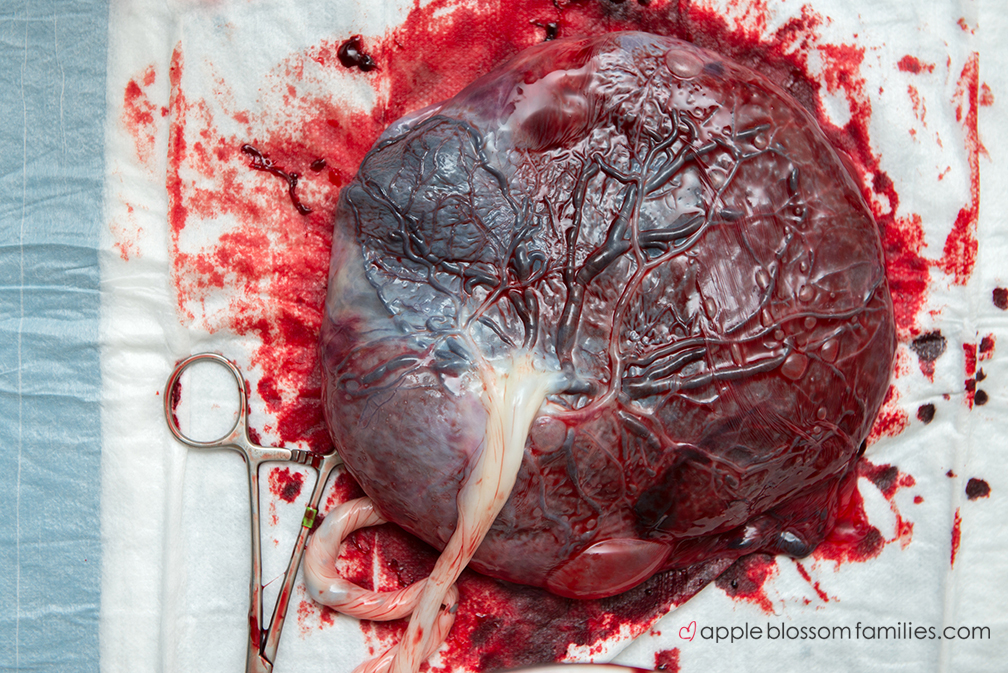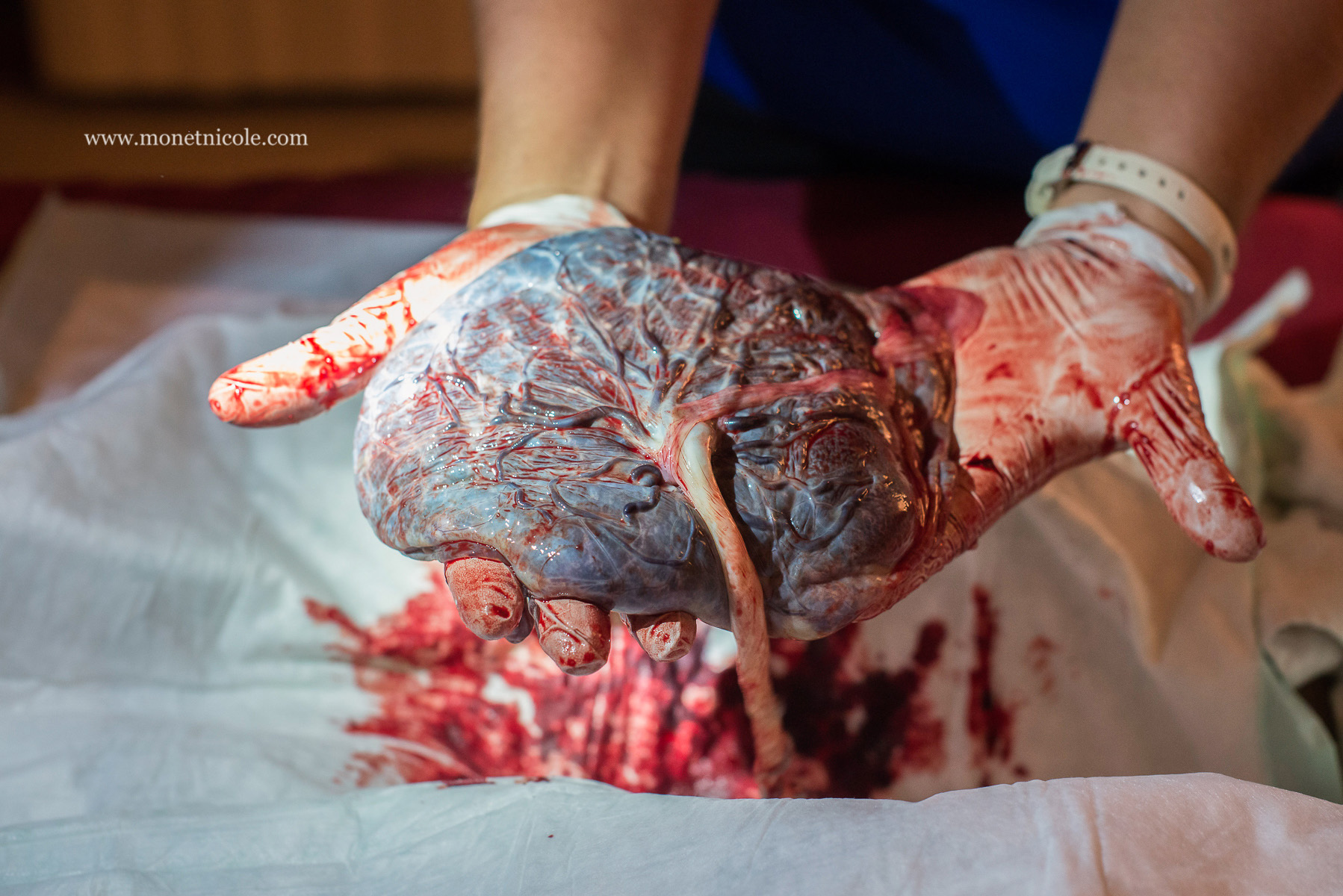
After the baby is born, labor is not yet complete, as it is followed by the third stage of labor during which the placenta is delivered. The placenta is an organ that surrounds the fetus in the uterus and enables the exchange of nutrients, blood, and waste products with the mother. Typically, the placenta is delivered within 15 minutes, but sometimes it can take longer.

Once the placenta is delivered, what happens to it? The most common practice in hospitals is to discard the placenta, but some parents choose to keep it for various reasons.
Placentophagy
Most mammals in nature eat their placenta, which is called placentophagy (from the word “placenta” and the Greek word “to eat”). Some believe that mammals in nature eat their placenta to hide evidence of birth from predators, while others believe animals eat the placenta to replenish nutrients and blood lost during birth. The placenta contains various nutrients and hormones that can be beneficial for women in the postpartum period. The placenta contains high levels of prostaglandins, which play an essential role in regulating smooth muscle contraction. Since the uterus is primarily composed of smooth muscles, some believe that consuming the placenta later can help with inflammation or uterine problems, as well as prevent postpartum bleeding.
Some midwives encourage women who experience excessive postpartum bleeding to eat a piece of raw placenta or place it on their gums to stop blood loss (Bartels, 2012), and consuming the placenta for a few days or weeks after birth is believed to reduce uterine bleeding and help the uterus return to its pre-pregnancy size more quickly.
The placenta also contains a small amount of oxytocin, and some believe that consuming it can help women rebalance their hormones after birth. Proponents of placentophagy believe that consuming the placenta can prevent postpartum depression. Since oxytocin is heavily involved in breastfeeding, proponents of placentophagy believe that increased oxytocin intake helps open milk ducts and produce more milk (Bartels, 2012).
There are many recipes for preparing the placenta for consumption with heat treatment, i.e., in a more “delicious” way. Smoothies, cocktails, truffles, lasagna, stews, and roasts can be prepared.
Placenta Encapsulation
The use of the placenta for various purposes is a centuries-old tradition, most commonly practiced in traditional Chinese medicine. In recent years, there has been much talk in the West about placenta encapsulation.

Placental encapsulation is the practice of storing the placenta after it has been processed/steamed, dehydrated, ground, and stored in capsules. The capsules are consumed shortly after birth, during menstruation, or during menopause, with the belief that they help prevent some menopausal symptoms. On average, one placenta can yield approximately 100 capsules.
There is little scientific research on the effects and benefits of placenta encapsulation and consumption. Traditional customs cite numerous potential benefits that placenta consumption is supposed to bring. Possible benefits include (American Pregnancy Association, 2017):
– Increased release of the hormone oxytocin, which helps the uterus return to its normal size and promotes bonding with the baby
– Increase in CRH – corticotropin-releasing hormone, which reduces stress
– Reduced likelihood of developing postpartum depression
– Restoration of iron stores in the blood
– Increased milk production
Placental encapsulation should not pose a health risk, provided the capsules are consumed only by the mother herself. Some mothers have reported experiencing negative symptoms, such as dizziness or lightheadedness, after taking the pills. Most information regarding this practice is gathered from women’s anecdotes, not from research. If capsules are taken by other family members or friends, you must be aware of the possibility of transmitting blood-borne diseases. If the placenta is stored for an extended period, it should be kept refrigerated, just like any other meat product (American Pregnancy Association, 2017).
A study (Young, S. M., Gryder, L. K., David, W. B., et al., 2016) shows that human placenta processed for encapsulation contains modest concentrations of 14 minerals and elements. Based on the recommended daily allowance (RDA) for lactating mothers, daily consumption of encapsulated placenta would on average provide 24% of the RDA for iron, 7.1% of the RDA for selenium, 1.5% of the RDA for zinc, and 1.4% of the RDA for copper. The average concentrations of potentially harmful elements (arsenic, cadmium, lead, mercury, uranium) were well below the toxicity threshold.
Are hormones preserved during placenta encapsulation? The answer to this is difficult to provide, but a study (Young, S. M., Gryder, L. K., Zava, D., et al., 2016) shows detectable concentrations for 16 analyzed hormones (e.g., progesterone, estradiol, estrogen, testosterone, etc.), some at concentrations that could cause physiological effects.
Encapsulated placenta is believed to affect the mother’s iron stores. A study (Gryder, L. K., Young, S. M., Zava, D., et al., 2017) shows that encapsulated placenta did not significantly increase or decrease iron levels in postpartum women who otherwise consumed the recommended daily iron intake during pregnancy and breastfeeding, compared to a bovine placebo. This can be an important finding for women who have iron deficiency postpartum and whose only source of additional iron is encapsulated placenta, as it does not necessarily represent a sufficient source of additional iron in cases of deficiency.

Some authors, such as Clark (2015), express doubts about the benefits of this practice and state that animals eat the placenta whole and immediately, which is not the same as placentophagy or encapsulation, where the placenta is not consumed immediately in the delivery room. The few scientific studies that have investigated placenta consumption and encapsulation have not definitively supported the effects of this practice, nor have they completely refuted the possibility of benefits from placenta consumption. There is little research available that supports or opposes the tradition of placenta encapsulation. There are numerous proposed benefits and limited risks if the placenta is properly stored and consumed only by the mother. In any case, discuss this practice with your doctor or midwife.
Other Uses for the Placenta
Consumption is not the only thing you can do with the placenta. How do cultures around the world use the placenta?
– In some cultures, the placenta is believed to be a special organ with its own soul.
– Some people bury it in a sacred place with the belief that it protects the mother and child from illness.
– Others opt for a “lotus birth” where the umbilical cord is not cut after birth but is left to detach from the baby naturally after a few days, which is believed to contribute to the baby’s calmness.
– In some places, the placenta is considered the baby’s twin and should be treated with respect.
– In some societies, the placenta is buried under the door with the belief that this will make the child always return home.
– It is also common to bury the placenta under a tree, which is believed to provide nutrients to the tree, so both the tree and the baby will grow successfully.

Other, less ceremonial uses of the placenta are also employed, including the commercial use of placenta extract in facial creams and fertility tonics.
Some creative ideas for placenta use:
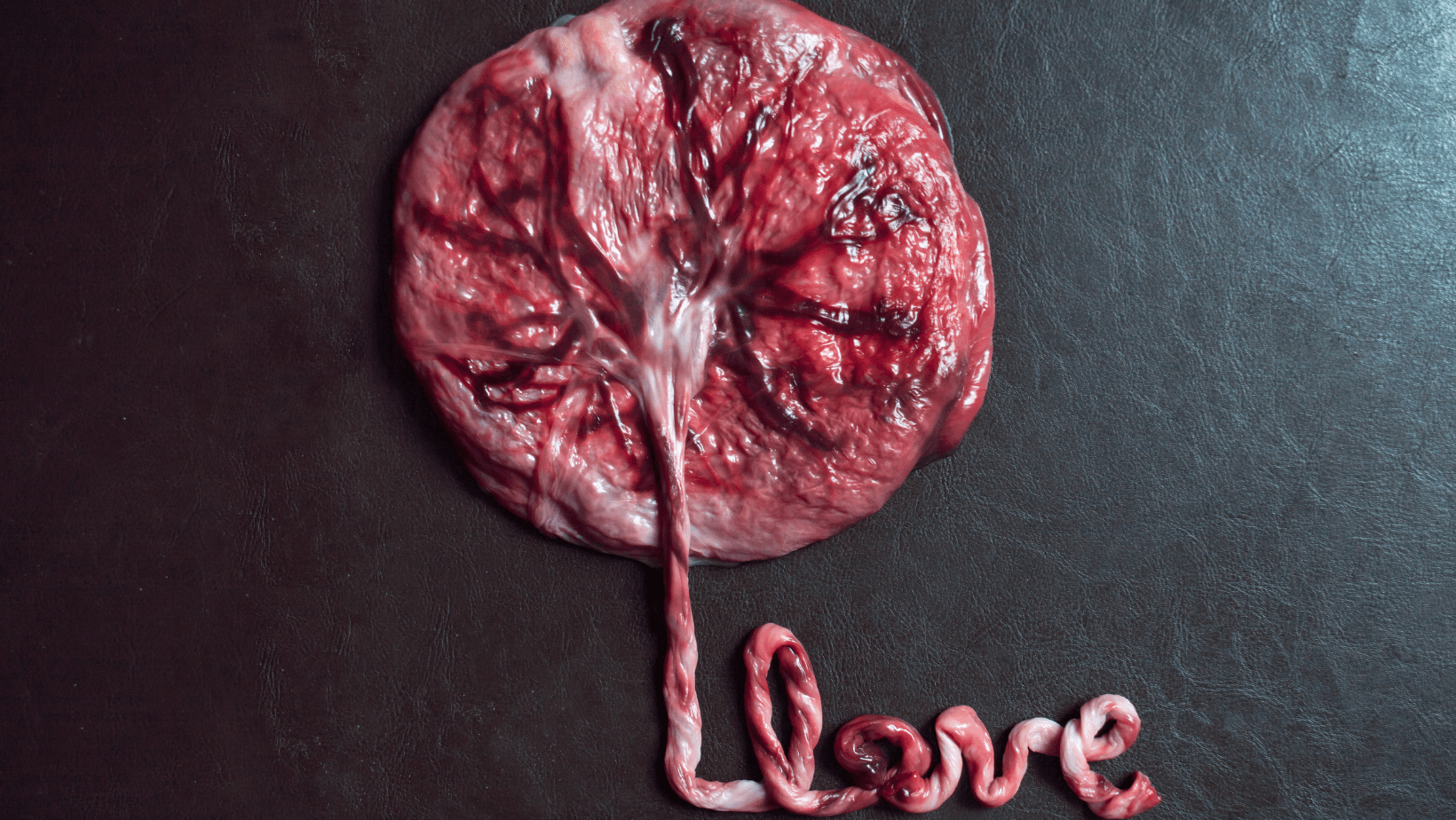
– Some women create art from their placenta by dipping it in ink and making a placenta print on paper or other material. This creates a “tree of life” pattern that serves as a beautiful memory of birth and an inspiration for the future.
– Making placenta jewelry (pendant, bracelet, earrings), which represents a beautiful and lasting memory of pregnancy, birth, and, of course, always provides a topic for conversation.
– Making placenta ointment, which is believed to have a beneficial effect on C-section scars, dry nipples, and perineal injuries.

A true tree of life, isn’t it?