During pregnancy, anemia (low blood count) can occur. Anemia means there aren’t enough healthy red blood cells in the blood to carry oxygen around your body and to your baby.
- During pregnancy, your body produces more blood to support your baby’s growth. If you don’t get enough iron or certain other nutrients, your body may not be able to produce enough red blood cells to make this extra blood.
- Mild anemia during pregnancy isn’t unusual, but more severe anemia with low iron and vitamin levels should not be ignored.
- Anemia can cause feelings of tiredness and weakness. If left untreated, more severe anemia can increase the risk of serious complications, such as preterm birth.
- Studies show that early detection and management of low iron levels in pregnant women is associated with improved maternal, fetal, and neonatal outcomes. Studies also show that only one third of women are adequately informed about anemia in pregnancy and its effects and consequences for the health of the woman and the baby.
Types of anemia during pregnancy
Iron-deficiency anemia:
This type of anemia occurs when the body doesn’t have enough iron available to produce enough hemoglobin. Hemoglobin is a protein in red blood cells that carries oxygen from the lungs to other parts of the body. With this type of anemia, the blood can’t carry enough oxygen to tissues throughout the body.
Iron deficiency is the most common cause of anemia in pregnancy.
Folate-deficiency anemia:
Folate is a water-soluble vitamin found in some foods, such as leafy green vegetables. It is a type of B vitamin that the body needs to make new cells, including healthy red blood cells.
During pregnancy, women need more folate than usual and often don’t get enough from their diet. When this happens, the body can’t make enough normal red blood cells to transport oxygen to tissues throughout the body. The synthetic form of folate found in supplements is called folic acid.
Folate deficiency can directly contribute to certain types of birth defects, such as neural tube defects (spina bifida) and low birth weight.
Vitamin B12-deficiency anemia:
The body needs vitamin B12 to make healthy red blood cells. If a pregnant woman doesn’t get enough vitamin B12 from her diet, her body can’t produce enough healthy red blood cells.
Women who don’t eat meat, poultry, dairy products, and eggs have a higher risk of vitamin B12 deficiency.
Vitamin B12 deficiency can contribute to fetal defects such as neural tube defects and can lead to preterm birth.
Other types of anemia can also occur, for example due to chronic illness, bone marrow problems, inherited conditions, and more. You can read more in the article Anemia in pregnancy (Tanja Premru – Sršen).
Risk factors for anemia in pregnancy
Pregnant women are more likely to develop anemia because they need more iron and folate than usual. However, the risk is higher if you:
- have a multiple pregnancy (more than one baby, e.g., twins)
- have had two pregnancies close together (within a short period of time)
- vomit a lot due to morning sickness
- are a pregnant teenager
- don’t eat enough iron-rich foods
- had anemia even before pregnancy.
Symptoms of anemia during pregnancy
The most common symptoms of anemia during pregnancy are:
- pale skin, lips, and nails
- feeling tired or weak
- dizziness
- headache
- shortness of breath and feeling breathless
- rapid heartbeat
- difficulty concentrating
- cold feet and hands
In the early stages of anemia, you may not notice obvious symptoms, and many of these symptoms can also occur during pregnancy even if you’re not anemic. That’s why regular blood tests and monitoring blood values are very important to rule out anemia.
Risks associated with anemia in pregnancy
Severe or untreated iron-deficiency anemia during pregnancy can increase the risk of:
- preterm birth or low birth weight
- blood transfusion (if you lose a large amount of blood during childbirth)
- postpartum depression
- anemia in the baby
- developmental delay in the baby
Some other studies also report an increased risk of postpartum hemorrhage, the baby being small for gestational age, and perinatal death.
Untreated folate-deficiency anemia can increase the risk of:
- preterm birth or low birth weight
- giving birth to a baby with a serious congenital defect of the spine (neural tube defect) or brain.
Untreated vitamin B12-deficiency anemia can increase the risk of having a baby with a neural tube defect.
Tests for anemia
Blood tests usually include:
- A hemoglobin test, which measures the amount of hemoglobin—an iron-rich protein in red blood cells that carries oxygen from the lungs to tissues in the body.
- A hematocrit test, which measures the percentage of red blood cells in a blood sample.
- A red blood cell (RBC) test—red blood cell count
- An Indirect Coombs test (ICT) to detect anti-Rh antibodies in the serum (especially important when the mother is Rh-D negative and the baby is Rh-D positive)
Additional tests may include:
- Checking B12 and folate levels
- Ferritin, transferrin, and transferrin saturation tests.
If your hemoglobin or hematocrit levels are lower than normal, this may indicate iron-deficiency anemia. Your doctor may also review other blood results to determine whether you have iron deficiency or another cause of your anemia.
Even if you don’t have anemia at the start of pregnancy, your doctor will most likely refer you for another blood test to check for anemia in the second and third trimester.

Treatment of anemia
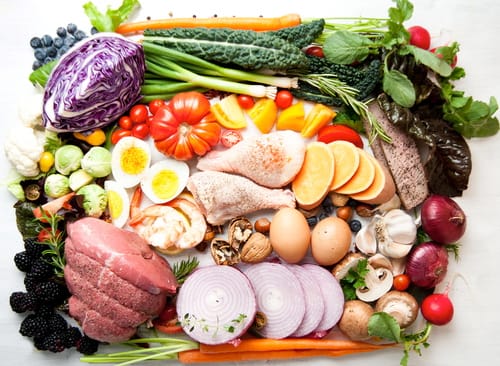
The first step is to include more iron- and folate-rich foods in your diet, for example foods of animal origin (meat, eggs, dairy products). Eat a well-balanced diet, and make sure your meals include as much iron as possible. Recommended foods include:
- lean red meat, poultry (e.g., chicken and turkey), and fish (e.g., mackerel and sardines)
- leafy, dark green vegetables (e.g., spinach, broccoli, and kale)
- eggs
- nuts and seeds
- brown rice
- beans, lentils
- dried fruit (e.g., raisins, dried apricots, and prunes)
- iron-fortified cereals
Foods high in vitamin C help your body absorb more iron. These include:
- tomatoes
- long sweet peppers
- citrus fruits and citrus juices
- strawberries
- kiwi
Try to eat vitamin C-rich foods at the same time as iron-rich foods, for example a bowl of vegetables with lean red meat and a glass of fruit juice.
One more note about drinking tea. Tea and substances in tea (tannins) reduce the absorption of iron from food. Avoid drinking black tea immediately before, during, and after meals. If you like tea, it’s recommended to drink it separately from meals.
Don’t forget to choose foods high in folate, such as:
- leafy green vegetables
- citrus fruits and citrus juices
- beans
- bread and cereals
Your doctor may decide that iron supplements and/or folic acid supplements and vitamin B12 supplements are needed. Valens B12 in spray form is an excellent and easy choice.
Periodic checks of hemoglobin and hematocrit are recommended to monitor whether levels are improving.
Iron tablets can cause constipation and digestive discomfort in some women. Side effects often subside over time; otherwise, it’s recommended to take a lower dose or take them right after eating to reduce the chance of side effects. Valens has an excellent iron supplement with added vitamin C that doesn’t cause constipation and has great absorption. It comes as a syrup.
Some foods and drinks, such as spinach, rhubarb, soy, black tea, coffee, and various colas, reduce iron absorption. ihttps://valens.si/izdelek/super-zelezo/?ref=Mojababica&fbclid=IwAR3htN97RyEpLG1-hZkYXH7P616TBbNDyV84NcFqwfvgEIpDAUyISbAHpn0n
Your doctor may refer you to a hematologist—a specialist in blood and anemia—if they feel it’s necessary for your treatment.
Follow your doctor’s instructions regarding prenatal vitamin supplementation.
Vegetarians and vegans should pay special attention to their diet, as iron from non-meat sources is harder to absorb. Talk to your doctor about supplementing vitamin B12 during pregnancy and breastfeeding.
Iron-rich herbs:
Curly dock root (Rumex crispus)
Common dandelion leaves (Taraxacum officinale)
Stinging nettle (Urtica dioica)
Use as a tincture: 1–2 full droppers twice a day. Curly dock and dandelion leaves have a strong taste that may be too intense for some in tea, while nettle makes a wonderful infusion. Long-term use of nettle is very nourishing and a great ally for women dealing with low iron levels and anemia.
! Caution: Curly dock is rarely used in the diet, mostly as an addition of young fresh or cooked shoots and leaves to salads, soups, and side dishes. Larger amounts can promote kidney stone formation due to oxalic acid and can reduce the body’s calcium. It is not recommended for pregnant women, breastfeeding mothers, and older people. Otherwise, the fresh herb is rich in vitamin C, provitamin A, and iron. Interestingly, it is even used to brew herbal beer. More
Homemade iron syrup
This is a tasty, high-iron combination for preventing and addressing anemia. It’s also helpful when iron stores are low but haven’t progressed to the anemic stage yet.
1/2 cup blackberries
1/2 cup raspberries
1/2 cup rose hips (fresh or dried)
14 g curly dock rhizome
30 ml common dandelion leaf tincture
30 ml nettle tincture
3 cups water
1/2 cup blackstrap molasses
1/4 cup maple syrup
Bring 3 cups of water to a boil, add the berries (blackberries, raspberries, and rose hips) and the curly dock rhizome, and gently simmer for 20 to 30 minutes, or until the liquid has reduced by half. Place cheesecloth over a glass container. Pour the hot mixture from the pot through the cheesecloth into the glass container. The hot berry-and-dock pulp will remain in the cheesecloth; set it aside and let it cool. Meanwhile, add the sweeteners (molasses and maple syrup) to the hot liquid in the glass container and stir well. Once the liquid has cooled, add both tinctures and squeeze the remaining liquid from the berry mixture and dock rhizome through the cheesecloth that you set aside earlier.
Store the syrup in a clean bottle and keep it in the refrigerator to extend shelf life. The molasses and the alcohol from the tinctures will act as a natural preservative. Take 1 tablespoon once or twice a day as needed (Susan Perri, from Birthkit #34, Summer 2002).
Read also: Vitamin C in pregnancy
- Knowledge on management of anemia during pregnancy: A descriptive study
- The challenge of defining and treating anemia and iron deficiency in pregnancy: A study of New Zealand midwives’ management of iron status in pregnancy and the postpartum period.
- Association between maternal anaemia and pregnancy outcomes: a cohort study in Assam, India
- Anemia in Pregnancy
- Blood Transfusion Information for Patients