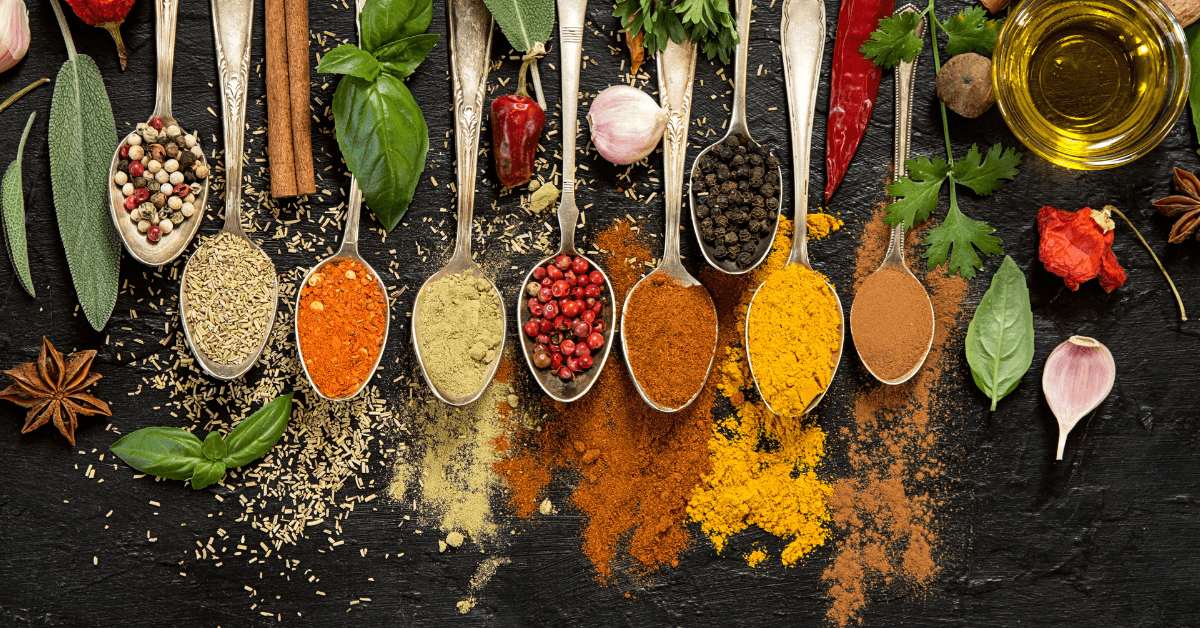
Midwifery has a long history where women often rely on natural methods of support during pregnancy and childbirth. Herbs and spices have been a key part of this approach for centuries, especially in cultures where access to modern medicine was not always possible. Even in today’s Western societies, the use of these natural preparations is increasingly gaining ground, a trend that grows every year.
Herbs and Spices in Midwifery Practice
In midwifery, herbs and spices are used for various purposes, including:
- Induction and acceleration of labor: Plants such as raspberry leaf, evening primrose oil, and castor oil are often chosen to naturally induce or speed up labor.
- Relieving nausea and vomiting: Ginger is a well-known natural remedy frequently used to ease nausea, especially during pregnancy.
- Relaxation and stress reduction: Lemon balm and chamomile are among the herbs that help calm the nervous system and reduce anxiety.
- Support for pain and inflammation: Chamomile, known for its anti-inflammatory and analgesic properties, is popular among pregnant women dealing with lower back or hip pain.
In the past, knowledge about the use of plants was passed down from generation to generation. However, research on the safety and effects of herbs during pregnancy remains limited. Much of the information is based on historical experience and empirical evidence, as ethical reasons make clinical trials difficult, meaning some herbs remain poorly researched in the context of pregnancy.
Are herbs safe?
Many pregnant women believe that natural herbs are safer than medications, but this isn’t always true. Although safe under certain conditions, some have a strong pharmacological effect that can affect the pregnancy. Therefore, it’s recommended to avoid using herbs in the first trimester unless there is a medical indication.
Herbs contain various biologically active substances, such as vitamins, flavonoids, saponins, bitters, essential oils, and other active ingredients. Some of these components can be beneficial, such as flavonoids, which have anti-inflammatory effects and prevent water retention in tissues. Other active ingredients, such as coumarins, cardiac glycosides, and essential oils, can cause complications and are best avoided during pregnancy.
For example, alkaloids found in certain herbs can cause teratogenic effects on the fetus at high doses, meaning they can cause developmental abnormalities. Pregnant women should therefore avoid plants containing these active ingredients unless approved by a doctor for medical reasons.
1. Cranberry for the urinary tract
Cranberry is popular for preventing urinary tract infections, as it is thought to prevent E. coli bacteria from attaching to the urinary tract walls. Although evidence of its effectiveness is limited, it is considered safe. In case of a confirmed bacterial infection, antibiotic treatment is necessary, as inflammation can cause serious complications, including premature birth.
2. Echinacea for immunity
Echinacea is popular for strengthening the immune system. Its use in recommended amounts is safe and is primarily used to shorten the duration of colds and respiratory infections. It should be avoided by pregnant women taking corticosteroids or if use lasts longer than eight weeks, as it can become toxic to the liver in such cases.
3. German chamomile
German chamomile (Matricaria recutita) is used to calm and relieve issues with digestion, bloating, and insomnia. It is also used to relieve pain during labor. Chamomile has no known side effects with normal use, but one should be careful of potential anticoagulant effects, especially with the essential oil.
4. Valerian for relaxation
Valerian (Valeriana officinalis) is known for its calming effect and is often used to relieve stress and insomnia. Although it is frequently used during pregnancy in Russia, it is traditionally considered contraindicated. Due to a lack of safety data, it’s better to avoid its use in pregnancy, as it can stimulate uterine contractions.
5. Garlic for health
Garlic (Allium sativum) has many benefits, including antibiotic action and lowering blood pressure. Its use in normal dietary amounts is safe, but caution is needed with larger doses, as it can cause premature bleeding during childbirth. Pregnant women with low blood pressure or those taking blood-thinning medications should avoid garlic.
6. Ginger for nausea
Ginger (Zingiber officinale) is popular for its effect in relieving nausea and vomiting in pregnancy. Its use has been proven safe and effective, comparable to vitamin B6. However, it’s recommended to consume it in smaller amounts, as higher amounts can stimulate menstruation. Pregnant women who have experienced a miscarriage should avoid larger doses of ginger.
7. Anise or fennel for bloating and nausea
Anise (Pimpinella anisum) is known for its medicinal effects, which include expelling gas, relaxing cramps, promoting digestion, and acting against nausea. It is also used as a remedy for menstrual pain and to stimulate lactation. In the Arab world, it is often used throughout pregnancy, and in the third trimester, its oxytocic effect is valued. The European Pharmacopoeia considers it safe in amounts of 1–5 g per day, but large amounts should be avoided as they can trigger glandular activity and cause miscarriage. Later, it is primarily used to increase lactation in breastfeeding mothers.
8. Caraway for digestive issues
Caraway (Carum carvi) is used to stimulate appetite, promote digestion, and soothe cramps and bloating. In folk medicine, it is also used during childbirth, as it is said to help relax smooth muscles and relieve pain during contractions. It is safe when consumed in moderate amounts; no side effects are known.
9. Fennel for easier digestion
Fennel seeds (Foeniculum vulgare) are known to promote digestion, prevent bloating, and relieve nausea. Pregnant women can consume water extracts but should avoid the essential oil and alcohol extracts. Culinary use is safe, but therapeutic doses should be avoided.
10. Lemon balm for calming and against nausea
Lemon balm (Melissa officinalis) is known for its calming effect and is used to soothe nausea and vomiting, especially in the first months of pregnancy (Stapleton, 1995; Charlish, 1997). Its leaves strengthen the nervous system and relieve cramps. It is safe in normal amounts, but caution is recommended for therapeutic use.
11. St. John’s wort for anxiety and fatigue
St. John’s wort (Hypericum perforatum) contains ingredients that help with exhaustion, fatigue, anxiety, and sleep disorders. It is popular among pregnant women, especially in Sweden, for relieving depressive disorders. Some studies have not shown an increased risk of birth defects in newborns, but due to potential issues with iron absorption and a lack of research on the impact on the fetus, its use in pregnancy is discouraged.
12. Flaxseed for constipation
Flax (Linum usitatissimum) contains mucilage that is effective for constipation. This mucilage swells and increases volume, which speeds up intestinal peristalsis. It is also used for inflammation of the mucous membranes in the mouth, intestines, or stomach, as well as for high blood sugar and cholesterol. Flaxseeds are popular with pregnant women dealing with constipation. However, some sources warn that exposure to flaxseeds in the last two trimesters may increase the risk of premature birth, so their consumption in therapeutic amounts is discouraged.
13. Peppermint for nausea and pain
Peppermint (Mentha x piperita) has antispasmodic effects, helps with bloating, and relieves pain. It is used for issues such as painful menstruation, pregnancy nausea, vomiting, and varicose veins. In the Arab world, it is popular with pregnant women suffering from bloating and abdominal pain. Using peppermint in moderate amounts is considered safe, but pregnant women are advised to avoid the essential oil, especially in the first trimester.
14. Raspberry leaf for nausea and vomiting, hormonal balance, and softening the cervix
Raspberry (Rubus idaeus) traditionally uses dried leaves to relieve issues like diarrhea and bleeding, and to regulate hormonal balance. Raspberry leaves are known for their ability to reduce nausea and vomiting during pregnancy and ease labor, as they are said to soften the cervix. Their use is popular among pregnant women and midwives, especially in the US and Europe, with no side effects except in some specific groups.
15. Castor bean (Ricinus communis)
Castor oil is obtained from the seeds of the castor bean and is used to induce labor. Although the oil is safe, it is often used in combination with other substances to reduce the effects of nausea and diarrhea. Nevertheless, it is widely used in modern midwifery, with 93% of midwives in North America using castor oil to induce labor, as it can cause uterine cramps and push contractions. Use must be under the supervision of medical staff.
16. Evening primrose (Oenothera biennis)
Evening primrose oil, obtained from the seeds of the evening primrose plant, is becoming popular due to its essential fatty acid content, which is thought to positively affect cervical ripening and relieve pregnancy-related symptoms. However, more research is needed.
Herbs and spices to avoid during pregnancy
Recently, many women want a natural pregnancy and avoid medications, so they often turn to herbs and spices. However, some plants contain teratogenic and abortifacient properties, meaning they can be harmful to the fetus, especially in the first trimester when they can cause birth defects or miscarriage.
1. Lovage (Levisticum officinale)
Lovage has a strong scent and a medicinal essential oil that promotes water excretion and acts against cramps. It is used to relieve digestive issues and sore throats. In folk medicine, it is used to promote menstruation, which means it can trigger a miscarriage. Due to its effects, it is not suitable for pregnant women.
2. Feverfew (Tanacetum parthenium)
Feverfew has cytotoxic and antitumor activity and is used to relieve migraines. In folk medicine, it is used for uterine cramps and can trigger a miscarriage. The use of feverfew oil can be dangerous and is contraindicated in pregnancy.
3. Parsley (Petroselinum crispum)
Parsley is known for its medicinal properties and richness in minerals. In folk medicine, parsley seeds are used to terminate pregnancy, as they contain apiol and myristicin, which can cause cramps and affect the uterus. Due to the danger, it is essential for pregnant women to avoid parsley seed and essential oil, while the normal use of parsley in food is generally acceptable.
4. Rosemary (Rosmarinus officinalis)
Rosemary has antioxidant effects and can promote menstruation. However, its compounds can cause uterine bleeding and increase the production of prostaglandin E2. Pregnant women are recommended to avoid its use for medicinal purposes, although it is traditionally used to speed up labor.
5. Sage (Salvia officinalis)
Sage has antiseptic and digestive properties but can cause cramps and bleeding. Pregnant women are advised against using sage essential oil and alcohol extracts, while moderate use of tea is allowed, but with caution.
6. Chasteberry (Vitex agnus-castus)
Chasteberry regulates hormonal balance and is used for menstrual issues. Although it is used in some cases to prevent miscarriage, it can lead to ovarian hyperstimulation, so pregnant women are advised to avoid it.
7. Thyme (Thymus vulgaris)
Thyme is a popular spice also used for medicinal purposes. Its essential oil disinfects, helps with coughing, and improves digestion. Nevertheless, it is discouraged in medicinal amounts during pregnancy as it can cause side effects, despite traditional use in some cultures to relieve pregnancy issues.
8. Coriander (Coriandrum sativum)
Coriander is known for its properties that promote digestion and reduce inflammation. Nevertheless, consuming larger amounts during pregnancy is discouraged, as it can act as a labor trigger.
9. Mugwort (Artemisia vulgaris)
Mugwort is considered a very effective plant for digestive issues, but it contains the toxin thujone, which can be harmful. The use of mugwort is strictly forbidden during pregnancy and also for women trying to conceive, as it interferes with ovulation and can cause serious health problems.
10. Fenugreek (Trigonella foenum-graecum)
Fenugreek is known for its medicinal properties and is often used in the Arab world to relieve bloating. However, its use during pregnancy is not recommended, as it can increase progesterone levels and affect fetal development. It can, however, be used during breastfeeding to increase lactation.
Using herbs and spices during pregnancy: What you need to know
Herbs and spices are popular among pregnant women, but their safety is often a subject of debate. Opinions on the use of herbs vary; while some believe in their positive impact on health, others warn of the lack of research and potential risks.
In the first trimester, it’s recommended to avoid herbs, but their use is nevertheless increasing as many pregnant women look for natural solutions to the issues that arise. It’s important to know that some herbs can be safe, while others can become toxic in higher doses.
Midwives who support natural approaches often recommend herbs, especially in cultures where herbal therapies are part of traditional medicine. Echinacea and ginger are among the best-researched herbs, with ginger considered effective for relieving nausea.
In preparation for labor, raspberry leaves are popular, while castor and evening primrose oils are known as induction agents. However, the safety of their use remains questionable. Castor oil can cause an increased risk of certain complications, while evening primrose oil does not bring obvious benefits.
Caution when using herbs
Pregnant women should always consult their doctor or midwife, who is familiar with the use and effects of herbs during pregnancy, labor, and breastfeeding, before using herbs to avoid potential risks and side effects.
For more information regarding herbs, please contact Ksenija Malia Leban
Herbs and Pregnancy | American Pregnancy Association
RUL – Safe use of selected herbs and spices in pregnancy: diploma thesis
Herbal Medicines Use During Pregnancy: A Review from the Middle East – PMC
Herbs in Pregnancy: What’s Safe, What’s Not? – Aviva Romm, MD