Smoking and tobacco use harm virtually every organ in the human body and have a damaging effect on health throughout one’s entire life. It is one of the most significant factors in the development of numerous cancers, respiratory diseases, cardiovascular diseases, and many other illnesses and health problems. In Slovenia, tobacco is the most important preventable cause of death among risk factors. Every year, nearly 3,600 residents of Slovenia die from smoking-related diseases—almost 10 every day—and a quarter of them die before the age of 60.
ARE YOU PREGNANT, BREASTFEEDING, OR PLANNING A BABY? Now is the right time to QUIT SMOKING and LIVE IN SMOKE-FREE SPACES! Source: NIJZ brochure. Click.
- If you smoke during pregnancy, your baby smokes with you.
- If you breastfeed and smoke, your baby also receives the harmful substances of tobacco through your milk.
- If you are exposed to secondhand smoke during pregnancy, your baby is exposed to it too.
- If you smoke or are exposed to secondhand smoke and are planning a pregnancy, you may have trouble conceiving.

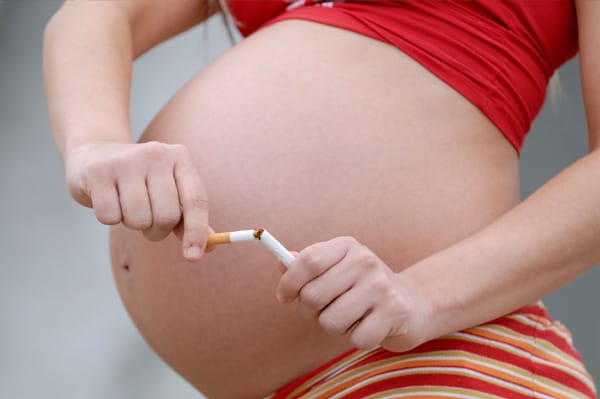
No amount of cigarettes smoked is safe. Smoking during pregnancy is the same as exhaling tobacco smoke directly into your baby’s face. A child’s exposure to harmful substances can last up to 15 minutes for every cigarette.
Regardless of any potential stress from quitting, research shows that quitting smoking at any stage of pregnancy has positive effects on the health of both the mother and the baby. Therefore, quitting smoking even in late pregnancy brings health benefits.
BENEFITS OF QUITTING SMOKING FOR YOUR BABY
- more available nutrients and oxygen for the baby during pregnancy;
- less chance of the baby having a low birth weight due to lack of food and oxygen;
- less chance of health problems for the baby during pregnancy, e.g., premature birth, stillbirth, congenital abnormalities, or impaired psychophysical development;
- increased likelihood that you and your baby will leave the hospital together;
- reduced chance of sudden infant death syndrome (SIDS);
- if you don’t smoke while breastfeeding, nicotine won’t pass to the baby;
- even later in the child’s life, the risk of health problems such as asthma, frequent respiratory and middle ear infections, and impaired psychophysical development is reduced.
BENEFITS OF QUITTING SMOKING FOR YOU:
- your body will clear itself of carbon monoxide and chemical compounds found in tobacco smoke;
- you will have more energy;
- you will have fewer problems with morning sickness;
- there will be more available oxygen in your blood, making you healthier;
- the likelihood of an ectopic pregnancy is reduced;
- you are more likely to have a positive birth experience;
- the likelihood of complications during childbirth will be lower;
- you will be a good role model for your child, which also reduces the likelihood that they will pick up cigarettes and become a smoker later on;
- even later in your life, the risk of developing any smoking-related diseases will be reduced.
ACTIVE SMOKING

It also harms you and your baby if you are exposed to secondhand smoke. This is tobacco smoke in an enclosed space, which is a combination of the smoke from a lit cigarette and the smoke exhaled by a smoker into the room where you are.
SECONDHAND SMOKE

The NIJZ states that it is important to ensure the body has enough vitamin C. This is best obtained from fresh, properly stored, and locally grown vegetables and fruit (peppers, lettuce, kiwi, citrus fruits, etc.). Smokers, pregnant women, and those who engage in very intense sports have higher requirements. Adults need at least 100 mg of vitamin C daily, pregnant women slightly more—110 mg daily. Smokers are a special group; they need 150 mg of vitamin C daily. A STUDY also mentions that pregnant smokers who took vitamin C supplements had healthier babies than those who didn’t. This doesn’t mean I support smoking. Quite the opposite.
There are many ways to quit smoking, and it’s important to find the one that works for you. You can choose from the help available:
- individual or group support for quitting smoking (a list of institutions where you can find help is on page 30);
- quitline for help with quitting smoking (tel. no.: 080 27 77)
- consultation with your chosen doctor, gynecologist, dentist, or another healthcare professional.
Read more here.
A study also discusses the harmful effects of smoking on the fetus during pregnancy. It links smoking to schizophrenia later in the child’s life. This is yet another reason to ensure pregnant women quit smoking—it’s even more recommended before planning a pregnancy. If this isn’t the most appropriate time to quit smoking, then when is?