I have already written about pelvic floor muscles and perineal injuries. You can read more here:
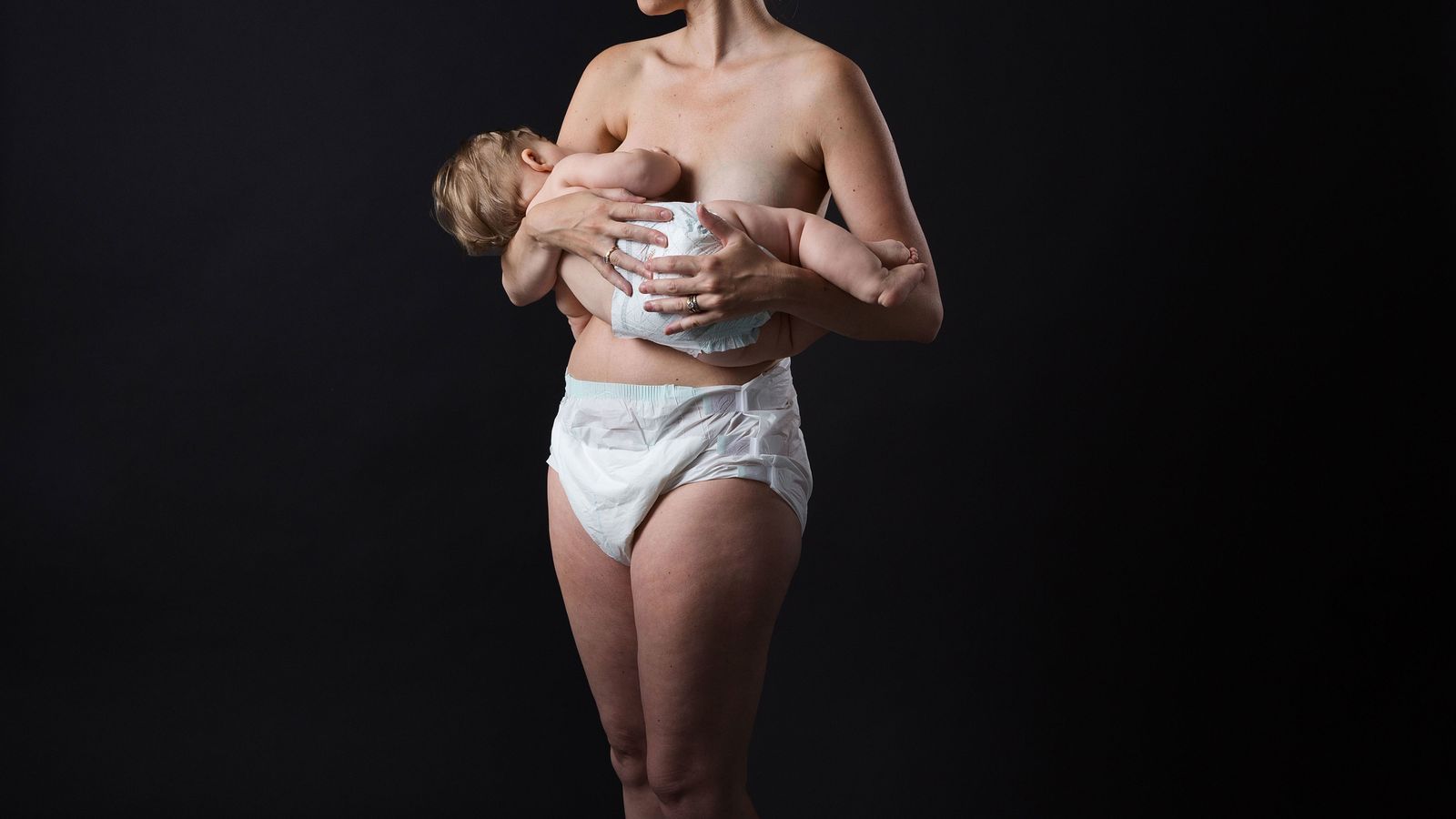
Perhaps you have heard stories of women who uncontrollably leaked urine after childbirth, or couldn’t hold back urine, gas, or stool. Or perhaps this happened to you, and you didn’t tell anyone because you were ashamed. Problems with retaining stool and/or urine after childbirth are not uncommon, but they are certainly not talked about enough. Sometimes, injuries to the pelvic floor muscles occur that are not visible to the naked eye. If not sooner, during your postpartum gynecological check-up, it is crucial to mention if you have problems with retaining urine and/or stool.
You can read the story of a woman who suffered from urinary incontinence for 8 years after childbirth here.
Strengthening pelvic floor muscles with pelvic floor training is EXTREMELY important. Start this well before you plan to conceive. Start NOW. It’s not just about having a lifted bottom, sculpted abdominal muscles, or firm arms when waving. It’s important to perform pelvic floor muscle training correctly and regularly. And to know how to properly activate the deep abdominal muscle. Physiotherapists can best teach us this.
Painful sexual intercourse after a woman has stopped breastfeeding is also not a normal phenomenon. Less estrogen is secreted during breastfeeding, which affects vaginal moisture, so a water-based lubricant is recommended when a woman experiences dryness. Also, inform your doctor about this.
Evaluating maternal recovery from labor and delivery: bone and levator ani injuries
In a 2015 study “The Influence of Back Pain and Urinary Incontinence on Daily Tasks of Mothers at 12 Months Postpartum” reported that over 1500 women studied had chronic lower back pain after childbirth, and as many as 49% experienced urinary incontinence. This is not only an issue for women who had vaginal births but also for those who had C-sections. More on this Pelvic Pain and Mode of Delivery. So, once again, we see how important the stability of the pelvic girdle and the strength of the pelvic floor muscles are even before conception.
- How to maintain strong pelvic floor muscles – Mag. Darija Šćepanović, senior physiotherapist.
- Pelvic floor muscle strengthening exercises – UKC Ljubljana
- Positions for performing pelvic floor muscle exercises
- Mag. Darija Šćepanović, senior physiotherapist, on bladder control
- UKC LJ warning about trampoline use
- Be careful with Pilates after childbirth
- Photo